Bitcoin (IBIT): The Fab Bill Comes Due Later
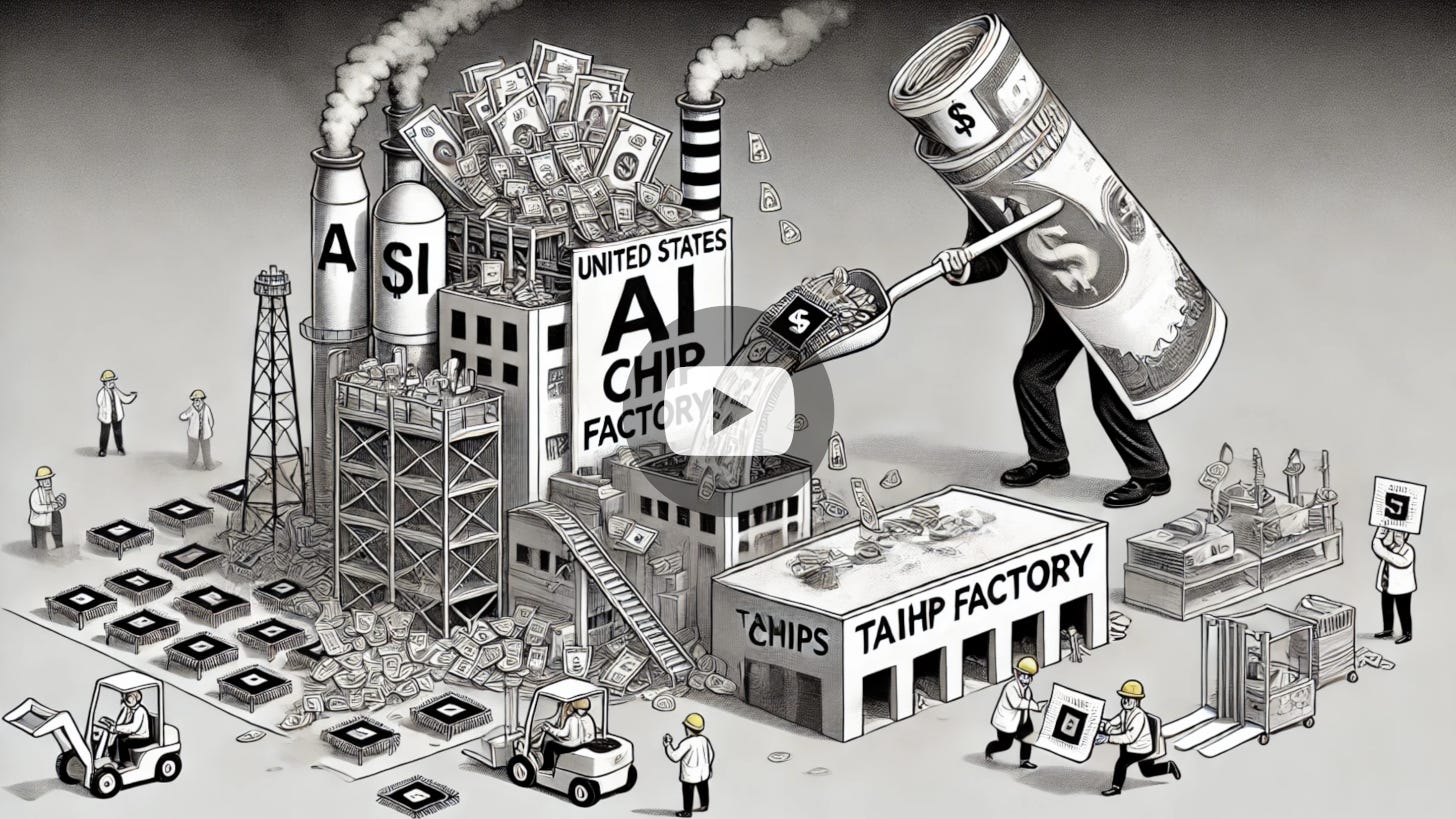
Reshoring chip fabs is billed as strategy and priced as a subsidy; why that feeds inflation and where Bitcoin options fit the theme.
The Booster Shot Nobody Costed
Every national ailment now gets the same prescription. Sagging productivity, geopolitical nerves, whatever else hurts: artificial intelligence, handed out by politicians and chief executives with equal enthusiasm. Reshoring sits at the centre of the dose. Move leading-edge chip production out of Taiwan, pour concrete on American soil, and the jobs, secure supply chains and tech supremacy follow as a matter of course.
My quarrel is with the arithmetic missing from the label. A single fab swallows billions before a wafer ships, then needs years to approach full productivity, if it ever does given how thin the specialist workforce is at home. Getting the building up is the easy part. Afterwards come rising costs, permitting gridlock, environmental hurdles and regulation without end. Washington can print dollars. It cannot print decades of engineering, and it cannot drain its own bureaucratic quicksand overnight.
Taiwan Keeps Winning by Default
Follow the money and the outcome runs backwards. Eye-watering subsidies flow into domestic plants, already bloated AI valuations get another excuse to swell, and stratospheric capex budgets acquire a patriotic justification. Everyone tells themselves the China dependency is being fixed. Meanwhile the Taiwanese foundries keep producing cheaper and faster, because specialization built over decades is exactly what a subsidy cheque cannot buy in a hurry.
So the programme meant to lock in American AI dominance risks saddling the country with a structural cost disadvantage and handing rivals an easy win. Nobody in office will lose sleep over it. By the time the invoices arrive the herd will be chasing the next national priority. Quantum computing, perhaps. My guess is that condominiums on Mars get sold first.
Gold Ran First, Bitcoin Waits
What does a subsidized chip plant have to do with a Bitcoin position? Inflation, mostly. Reshoring at a permanent cost premium, financed by yet more borrowing, lands on top of tariffs that Chinese exporters are already passing through. The theme refuses to leave the room, and the conventional way of expressing it, gold, has already enjoyed a solid run. Bitcoin is the less crowded version of the same thought, and IBIT lets an options trader hold it as a defined structure rather than a wallet.
The structure in the letter is a long-dated call debit spread, and the interesting part is how it collides with my usual preference. I would rather collect overpriced premium on short horizons than pay for it, so a long directional spread cuts against habit. The letter is honest about the odds: the raw probability of profit is low, the payoff for being right is a multiple of what is risked, and disciplined management along the way drags that probability toward a coin flip. Paying a modest debit for a slow theme while harvesting fast ones is the actual idea.
Empty Shelves and a Refilled Tank
The calendar behind this view reads like a list of ambushes. Lower second-quarter borrowing, produced by cash-draw tricks and tax-season receipts, lets Washington claim that Musk-style efficiency is shrinking the deficit. I read it as a mirage. Musk is back building cars, defence, entitlements and interest stay bloated, and once the summer debt-ceiling drama passes Treasury refills the tank, pushing issuance and yields back up. The issuance figures after the ceiling is lifted are the print worth watching.
Nearer term, the buyback blackout is ending and repurchase programmes return, which flatters equity prices for a few weeks without proving anything about earnings or credit. Chinese exporters are lifting prices to offset tariffs and container volumes are noticeably lighter, so shipping data deserves more attention than headlines; empty shelves are how an inflation surprise arrives. Canada's election showed tariff threats rallying voters behind the very leader being pressured, and Europe and Asia may run the same play. The dollar's slide has loosened global liquidity and steadied some emerging markets, yet it reverses fast if the Fed signals fewer cuts than priced; anyone leaning hard on that downtrend sits one hawkish sentence from a squeeze. Every item argues for the same shape: the inflation expression held long-dated, the ammunition kept short.
- IBIT
- Debit Spread
Get the next Tuesday Target free
One options trade. Every Tuesday. Scored in public. The exit rule is on the card, and the letter is free to read.