Sunrun (RUN): When the Smartest Desks Become the Herd
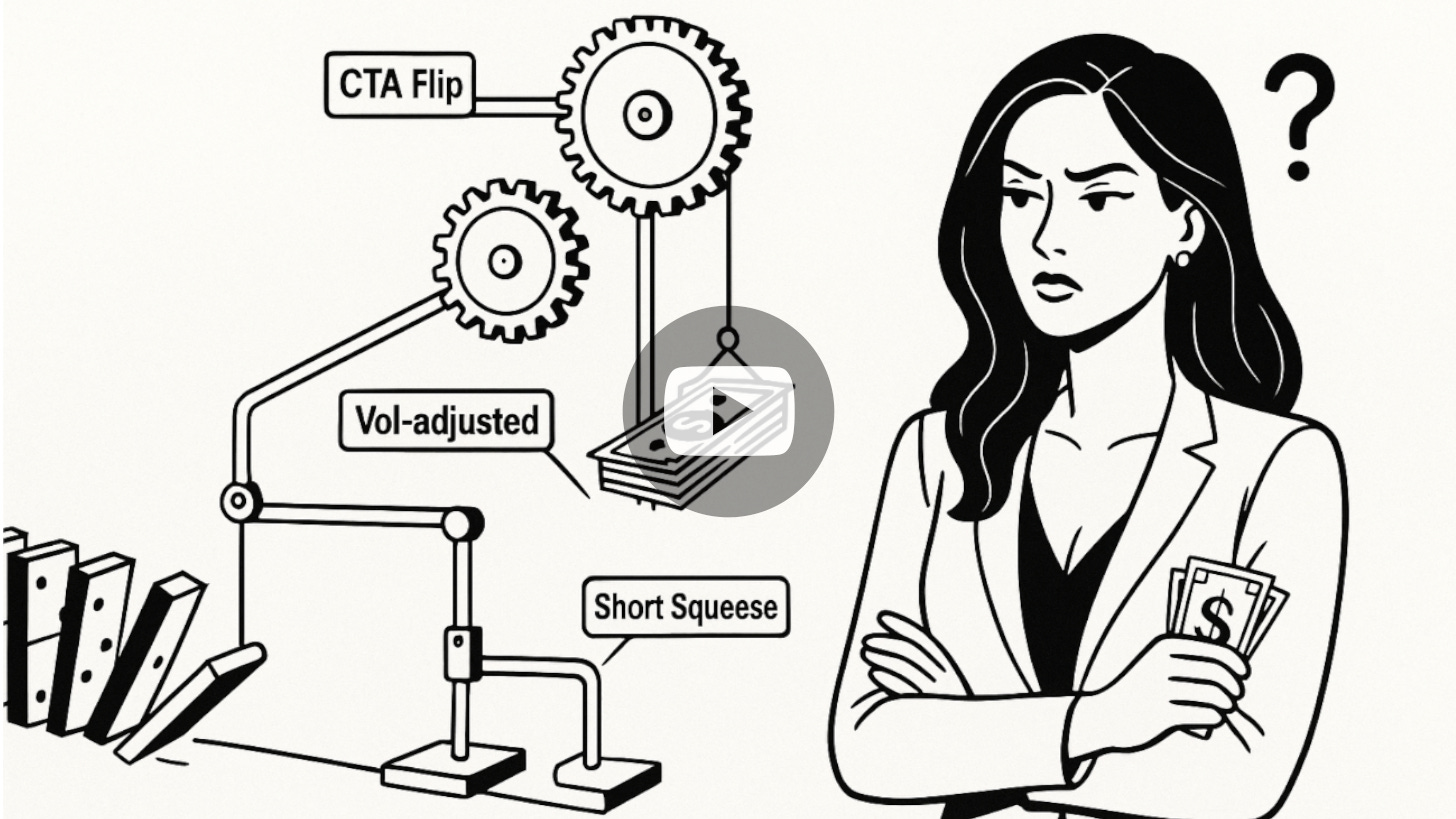
Why crowded shorts in Sunrun (RUN) become reflexive chain reactions, how deficits feed them, and where options let a trader stay in the room.
The Herd Wrote Its Own Code
The old picture of a short squeeze was a lone gunslinger or a message board with a grudge. That picture is dead. What squeezes a name like Sunrun now is a queue of institutions that all arrived at the same short through the same risk models, the same volatility targets and the same rear-view signals, and then discovered the exit is a single door. Nobody in that queue is stupid. That is the uncomfortable part. Desks that built machines to profit from crowd behaviour have become the crowd, and the machines are perfectly happy to trample their owners.
The mechanics matter more than the morality. Once price crosses a momentum threshold, trend followers flip from short to long without asking anyone's opinion. Models that size positions by realised volatility read the strength as a reason to add. Short books, watching a neighbour bleed, cut exposure before their own turn comes. Each of those actions shoves price into the next trigger. Whether Sunrun deserves its valuation is a question for a quieter market; the tape is being written by thresholds, and thresholds have no opinions at all.
Deficits Quietly Fund the Covering
Squeezes need fuel, and this one is drawing from an unglamorous tank. The Fed has been letting its balance sheet shrink, which on paper drains liquidity. Meanwhile Washington runs deficits wide enough to refill the pool faster than the Fed empties it, and that cash has to land somewhere. It is landing in exactly the corners where short interest is thickest: small, volatile names where a modest inflow moves price a long way and forces another round of covering. Recession talk fills the airwaves; the positioning says appetite for risk is very much intact.
The rest of the backdrop rhymes. Merz promised a chainsaw and delivered a trim, stitching his fiscal package out of special funds rather than structural reform, which props up the near term and defers the real reckoning. Chinese exports to America look weak in the official numbers while the same factories ship through Vietnam and Malaysia and the same importers pay the same suppliers under a different flag. American boards weigh buybacks against the heavy capital spending that re-shoring demands, and the short-term mania keeps tilting the scale toward the buyback. Everywhere I look, headline weakness sits on top of liquidity that has merely changed its route.
Hanging Around When It Runs
The ticker itself reads like an instruction to leave, and both outright positions are ugly. Short the stock and you join the queue for the single door. Chase it long and you own a chain reaction at whichever link happens to be firing. An unhedgeable name, though, is also a name where volatility is being richly paid for, and that is the one input an options trader can work with instead of merely fearing. The structure in the letter leans on exactly that: it treats the implied swing as the asset, fixes the loss before the trade exists, and drops the pretence that anyone can call the top of a reflexive loop.
What I watch from here are the triggers, because they are doing the driving. Momentum thresholds that flip the trend models carry more information than any valuation debate. Short interest that refuses to fall while price rises tells me the door is still jammed. On the macro side, the deficit flow and any shift in how the Fed handles its balance sheet decide whether the pool keeps refilling. Merz's special funds and the rerouted Chinese trade figures show whether the propped-up surface holds, and the buyback-versus-capex fight signals whether corporate cash keeps chasing its own shares or finally builds something. What belongs here is the thought behind the trade: the trap is real, the smart money built it, and the least uncomfortable seat is the one where volatility is working for you rather than hunting you.
- RUN
What came of it
I closed this trade on 20 June 2025, after 14 days, at +5.7% on the capital at risk.
Get the next Tuesday Target free
One options trade. Every Tuesday. Scored in public. The exit rule is on the card, and the letter is free to read.