The Buyback Trap: Debt, Shrinking Equity and the Orange Effect
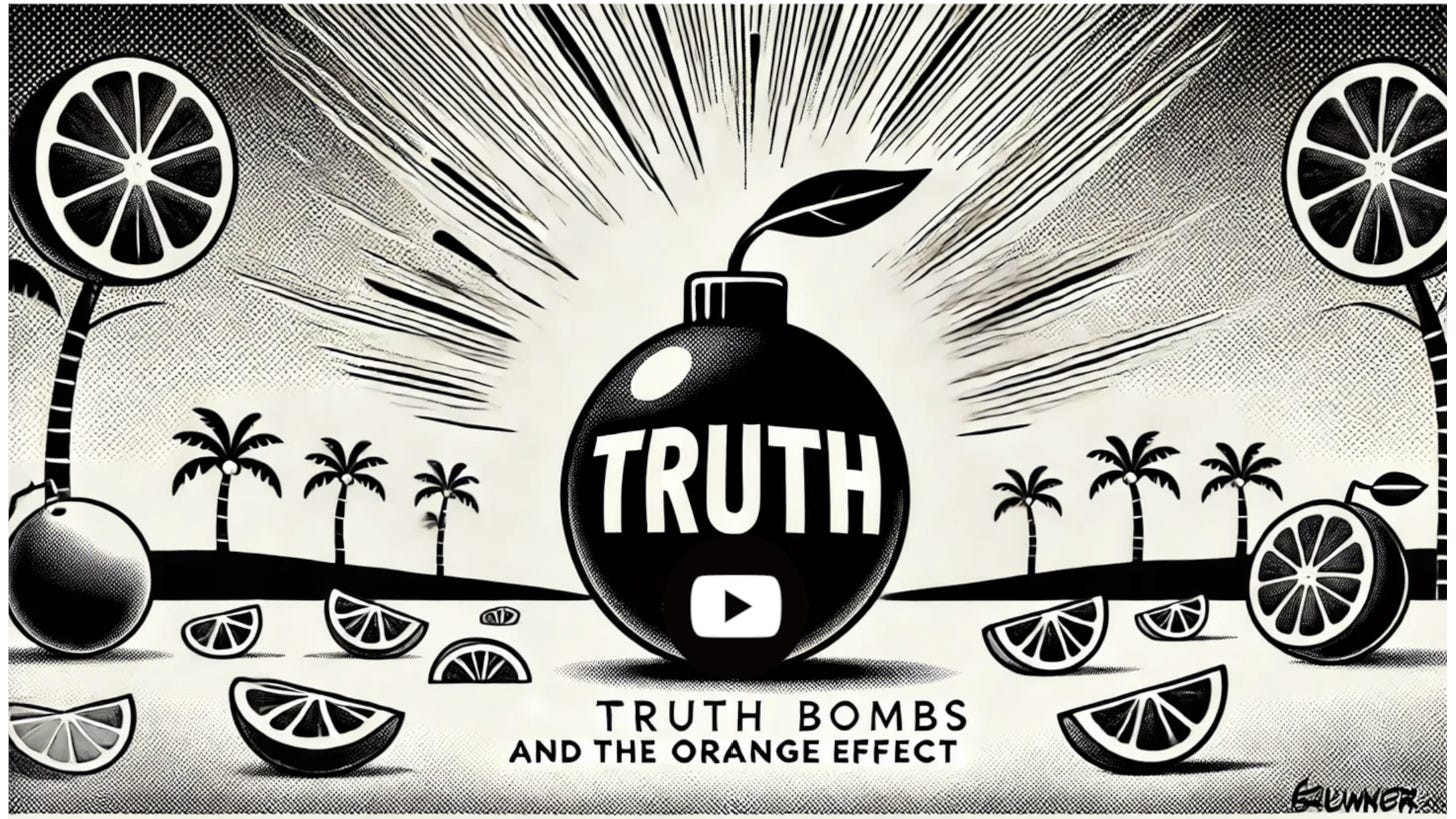
How debt-funded buybacks hollow out a company's equity while a surging post-election dollar, tariffs and Iran risk shake the tape around it.
Borrowed Money, Shrinking Equity
Strip away the flags and the confetti and the letter is about a company doing something that looks like generosity and works like slow starvation. It borrows money, uses the proceeds to retire its own shares, and reports a rising figure per share to an audience that rarely asks where the money came from. The share count falls, the debt rises, and the equity underneath the whole structure gets thinner with every round. Nothing about the actual business improves. The machine simply learns to divide the same output by a smaller denominator.
The letter's point is that this kind of engineering produces stagnation, and stagnation is the point. A stock propped up by repurchases has no reason to travel anywhere. The float shrinks, the lenders collect their coupon, and the price drifts sideways because the steadiest bid is the company's own. That drift can outlast anyone waiting for a catalyst. The Tuesday Target is built around that patience, and its exact shape stays inside the full letter.
Orange Glare, Surging Dollar
The rest of the issue is the backdrop that turns a sideways stock from boring into interesting. Trump returns to the White House with a Republican Senate behind him and a House still being counted. The agenda is familiar: keep the 2017 tax cuts alive, possibly trim income taxes further, and let domestic spending do the rest. That is fuel for prices across a wide range of sectors. Layer on tariffs against Chinese imports that could reach 20% across the board and you get strained trade with China, rattled supply chains and a measurable push to core inflation.
Markets voted quickly. The dollar surged, the euro and the currencies that shadow American policy took the pressure, and European equities wobbled hardest in the sectors most exposed to tariffs. The yen weakened as American bond yields climbed. Part of the dollar's strength is a wager that central banks outside the United States, above all in Europe, cut faster to get ahead of trade headwinds. A strong dollar, rising yields and a stock that refuses to move make an odd combination, and odd combinations are where option premium tends to get priced carelessly.
Buffett's Cash and Iran's Window
The letter is candid that the mood underneath all this is brittle. American stocks carry high CAPE ratios, which means valuation offers no cushion if something arrives from outside. Reports point to Iran reading the political transition as a moment of weakness and striking Israel, which would jolt energy prices and risk appetite in the same afternoon. Warren Buffett has already been drifting toward cash, and when the most patient investor alive lightens up, others tend to discover reasons of their own.
For anyone trading options this changes the character of a stagnant name. A stock going nowhere on its own merits can still be dragged around by the tape, and a position built for a quiet drift has to survive a loud macro stretch before it earns anything. The letter's structure is chosen with that tension in mind; the balance between time and exposure is the whole craft of it.
Nothing worth watching here is exotic. The final House count decides how much of the tax agenda actually moves. Tariff detail on Chinese goods sets the inflation arithmetic. The euro and the yen against the dollar, and the direction of American yields, show whether the Trump trade is still gathering believers or already fading. Language from European central banks on faster cuts confirms the other half of the dollar story. Iran and Israel headlines, and the energy price that follows them, are the tail with the sharpest teeth. And for the target itself, the next repurchase announcement: paid out of earnings, or with another trip to the lenders. Companies can shrink their way to a flattering headline for a long while. They cannot shrink their way out of a balance sheet.
Get the next Tuesday Target free
One options trade. Every Tuesday. Scored in public. The exit rule is on the card, and the letter is free to read.