U.S. Oil (USO): When the Target Arrives Before the Stimulus
Why China's weak credit prints, hedge fund capitulation and Trump's tax blitz all lean on oil, and what USO reaching its target means next.
Waiting on the Liquidity Tsunami
China's September credit numbers landed as a mess. Total social financing and new yuan lending both came in soft, and the narrow money supply is shrinking. Households and firms are declining the offer of cheap credit, which leaves Beijing with very little room to keep pretending that targeted tinkering will do. The talk has moved to outright quantitative easing, and for a leadership that prefers to look in control, that is quite a corner to be painted into.
If the trigger gets pulled, the interesting part happens outside China. A central bank of that size buying assets sends liquidity looking for a home, and the homes it likes are oil, gold and bitcoin. Until the announcement exists, though, we are watching a single man's show with a long record of promising the moon and delivering a press release. The credit prints are the tell. Another soft month and the pressure on Beijing rises; a sudden jump in lending and the QE story dies before it starts.
Bears Tired of Fighting the Tape
Equities told a different story. Hedge funds had been sellers for eight straight weeks and then gave up in a hurry, buying at the fastest pace in years, with single names taking the bulk of it through fresh longs and forced short covers. The equal-weight Nasdaq printed new all-time highs, so the rally is broad, and the S&P notched its forty-fifth record close of the year. Bears are allowed to be right eventually; what they are rarely allowed is the patience to wait for it.
For anyone trading options this matters more than the headline. When the skeptics hand in their shorts, the natural bid for protection thins out, and premium on the equity side gets cheap precisely when relative valuations look most stretched. Fear leaving the room lowers the cost of insurance and raises the cost of being wrong. The market can stay irrational for longer than a fund can stay solvent, and a crowd that just capitulated has said as much with its own money.
Santa Claus in October
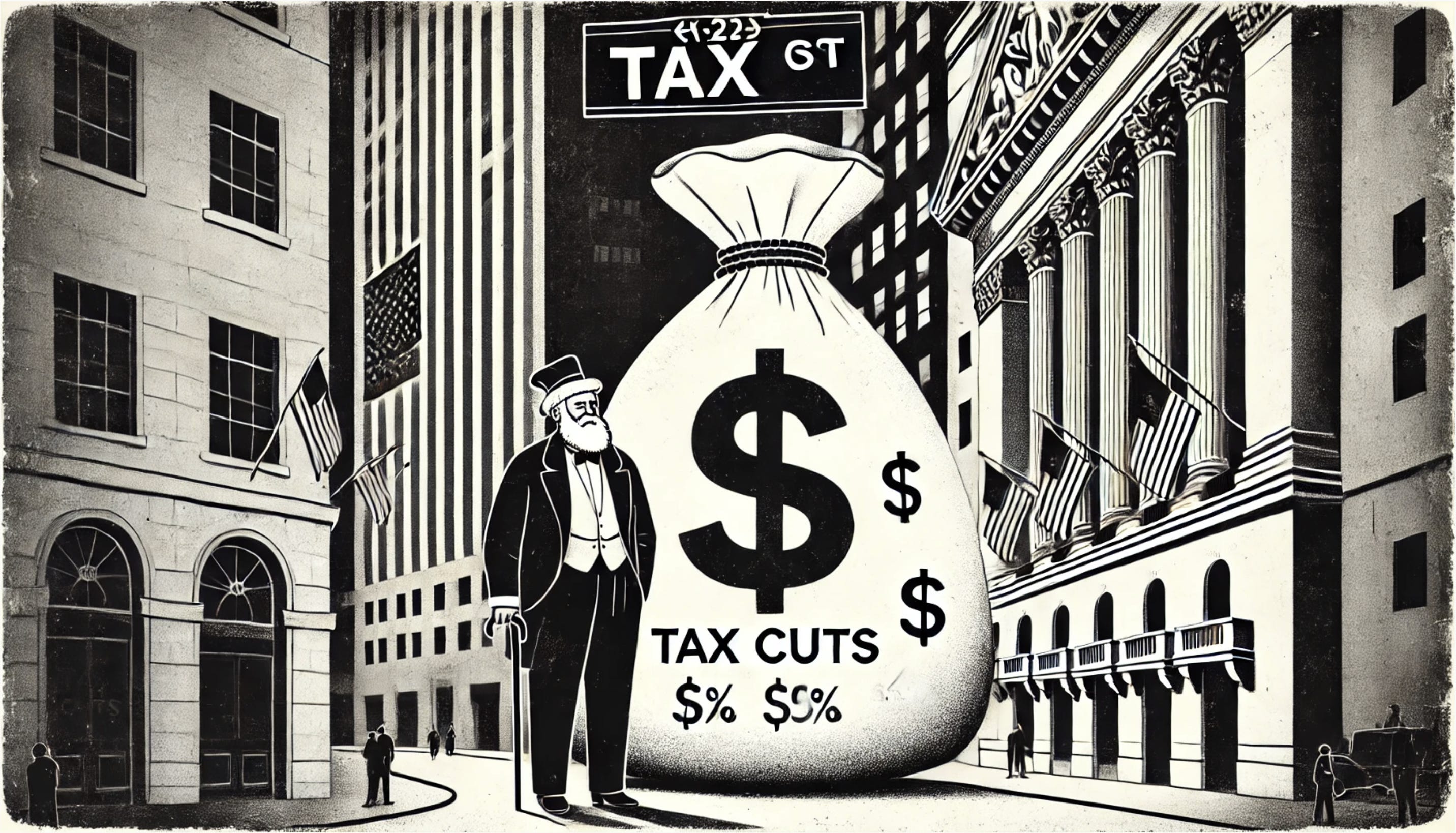
Trump has spent the campaign handing out tax gifts: no tax on tips, no tax on overtime, car loans made tax-deductible. Alongside the giving comes tariff talk reaching as high as a thousand percent, a figure that would embarrass most protectionists. His odds of winning have climbed sharply and Wall Street has begun to price the possibility. The obvious question is who pays for the presents, and the honest answer is that inflation usually picks up the tab, which is how the current administration settled its own bill.
That ties back to oil more directly than it looks. Fiscal generosity funded by deficits, layered onto tariffs that raise the price of anything crossing a border, is a recipe for a firmer bid on hard assets. Add a possible Chinese liquidity wave and the same barrel is being pulled from Washington and Beijing at once.
The Sandbox Sets the Price
The trade itself reached the target I set when I entered the oil fund, and it got there without any stimulus from Beijing. The push came from the Middle East, where the toddlers in charge still cannot agree on which corner of the sandbox to wreck next, and crude priced that indecision for me. Geopolitics did the heavy lifting; the liquidity question stays open.
A target that arrives early forces a decision about premium already earned, and how I handle that sits in the full letter. What stays on my screen: the next credit release out of Beijing and whether the QE talk turns into an actual balance sheet, the election odds and the tariff figures that travel with them, and the sandbox, because a quiet stretch there takes back what a loud stretch gave. The oil fund did what I asked of it, which is the polite way of saying the market got there before the reasoning did.
Get the next Tuesday Target free
One real options trade every Tuesday before the US open, entry, stop and target named. Free to read.