U.S. Real Estate (IYR): The Quiet Tax Behind the Tariff Noise
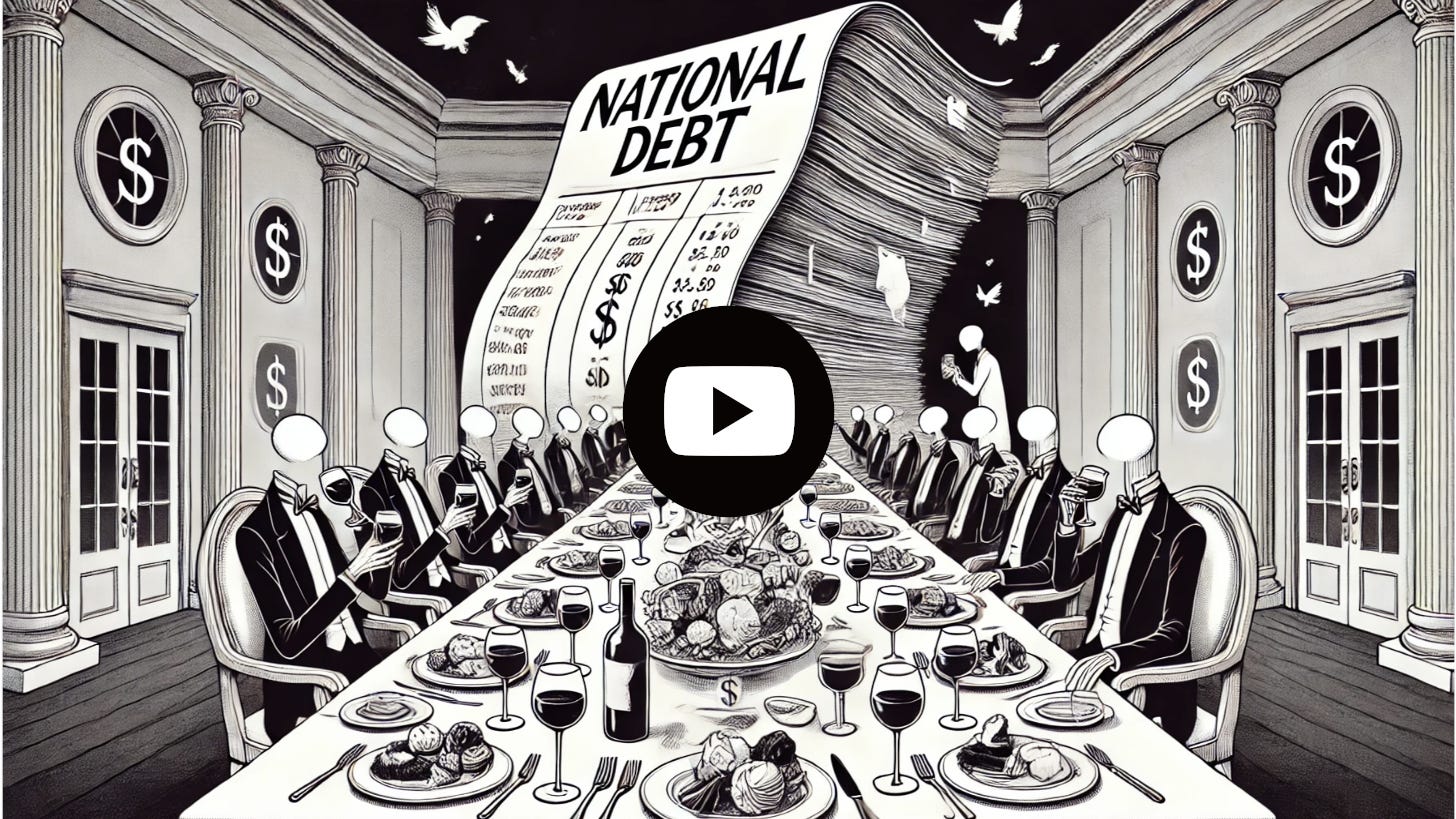
Why the interest bill on Washington's debt points to hidden inflation, and how US real estate (IYR) options fit a market pricing fear everywhere.
The Tax Nobody Votes For
Stocks are sliding, and the excuse on the tape is a 200 percent duty threatened on European wine and spirits. I understand the reflex; a trade war stings. But if your next Bordeaux is the thing keeping you awake, you are watching the wrong screen. The figure that matters is the interest bill, roughly a trillion dollars a year, and somebody has to cover it.
A bill like that gets settled by default, by austerity, or by dilution. Default is unthinkable for the issuer of the reserve currency, austerity requires a Congress willing to cut, and dilution requires only that nobody notice. So the route is inflation, tolerated rather than announced. It is the tax no ballot ever offered, and every holder of cash pays it regardless.
That is where the tariff theatre earns its keep. A headline about duties on wine is loud, personal and easy to argue about over dinner. Purchasing power leaking away, year after year, makes no sound at all. The noise is the cover story and the leak is the story, and a portfolio built to fight the cover story is fighting the wrong war.
Rent While They Cover Tracks
If the state intends to inflate its way out, the classic response is to own things that reprice with the general level, and rent qualifies. US real estate through IYR sits in that bucket, which is why it keeps returning to the desk. Landlords pass costs on, nobody prints more land, and the debt on the buildings gets repaid in cheaper dollars. That is the strategic case, and it moves slowly.
The tactical case is about the path. The ETF may still revisit its recent lows before finding a bid, but the likelier sequence is a run back up to the long and medium moving averages, a failed test, then the turn lower. That expectation has a particular shape when expressed in options, and the letter lays it out. What belongs here is the environment: implied volatility is expensive across nearly everything, and expensive volatility is raw material for anyone willing to be paid for carrying defined risk.
The other change concerns the target. Where individual companies get hit by tariffs, sanctions and whichever attack is in fashion, a broad ETF is harder to knock over with a single headline. The working habits are the ones the letter keeps repeating: exposure spread across industries, positions built in slices rather than all at once, and daily adjustment to the moves instead of pretending the entry was perfect.
The Eye of the Storm
Several threads deserve following. Start with the dollar: chatter about a so-called Mar-a-Lago accord has rattled the foreigners who own American paper, and a policy mix that reaches for tariffs, sanctions and capital controls as everyday instruments raises the odds of money leaving rather than arriving. A weaker greenback with liquidity air pockets is inflationary on its own.
Then Europe. The rearmament drive is real, and money spent on defence budgets and industrial programmes ends up in wages, raw materials and stretched supply chains. The early bureaucratic bottlenecks suggest the spending arrives before the capacity does, the textbook recipe for rising prices on that side of the Atlantic too. Inflation does not stay politely inside national borders.
Finally the flows. Systematic funds and hedge managers recently unloaded a mountain of stock, and that selling did most of the damage. The latest data suggests the liquidation has eased. Whether that marks the end or merely the eye of the storm is the open question, and it cuts both ways: a sudden rally squeezes the shorts and drags IYR toward those averages, while the next ugly headline restarts the wave and sends it back to the lows. Either path fits the setup. Meanwhile the tariff screen keeps flashing, the interest bill keeps compounding, and the quiet item decides where your purchasing power ends up.
What came of it
I closed this trade on 1 April 2025, after 19 days, at +1% on the capital at risk.
Get the next Tuesday Target free
One options trade. Every Tuesday. Scored in public. The exit rule is on the card, and the letter is free to read.