Energy Stocks (XLE): The Ceiling, the Floor and the Rent Between
Why oil's managed ceiling and a shut strait's floor leave XLE range-bound with rich option premium, and what could break the range.
Fear Moved House
Fear has changed address. It left the stock market, where index options are about as cheap as they have ever been and Goldman's panic gauge sits near the bottom of its scale. It moved into oil and into bonds. Energy is the corner where both neighbourhoods touch, and options on XLE, the energy ETF, charge more for protection than they have through most of the past year. Rent is high in energy at the very moment it is close to free almost everywhere else.
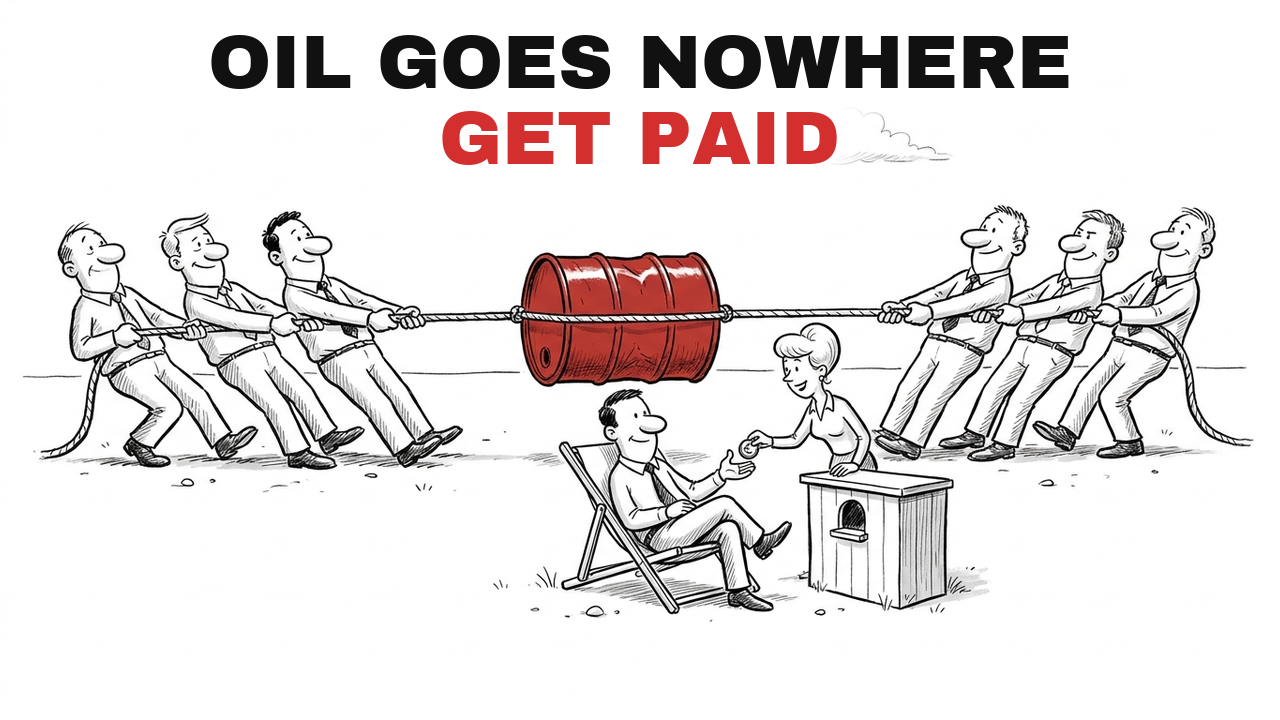
Crude spent a fortnight lurching on headlines and finished roughly where it started, uncomfortably high. XLE slid anyway, pulled lower by the same rise in bond yields that has been bruising banks and utilities. So the fund hangs between a pair of ropes: a strong barrel tugging it up, expensive money tugging it down. The tug has produced a month of movement adding up to nothing, while everyone involved argues loudly about which rope wins. The condor in the letter wagers that the argument continues, the price stays put and the options bleed.
A Barrel With a Manager
Oil now behaves like a policy. Each time crude pushes higher, a headline lands at midday, when the order book is thinnest, and the barrel is back down before the lunch crowd returns. Goldman models a diesel export ban before any minister announces it. The Federal Reserve tightens because the barrel tells it to, and crude and the long Treasury yield travel together more closely than they have in a generation.
Most people loathe this arrangement. I find it comforting. A price with a manager has a ceiling, because the manager acts whenever it climbs too far. A strait that stays shut has a floor, because nobody can conjure the barrels stuck behind it. The last time Washington drained its reserve in earnest, the summer high never came back and the barrel drifted for months. Drift is the friend of anyone who has written a range and is waiting for time to do the work.
For an options trader the shift is easy to state. A managed price above a hard floor is a range, and a range wearing a fear premium is a range that pays. The letter's structure caps the loss on both sides, which matters because every way it fails is violent. A settlement over Hormuz could knock a chunk off crude and drag the fund through the lower edge before the rule fires. A fresh flare-up in the Gulf could carry it through the upper edge just as fast. A diesel export ban would squeeze the refiners that live inside the ETF.
Earnings Drain the Fear
The desk at JPMorgan has turned tactically constructive, and the shape of its view matters more than the direction: oil grinding lower in a choppy fashion while the long yield finishes the year higher. Choppy and lower is the weather a range wants. The fund wanders, its options lose a little value every session, and whoever wrote the range collects.
The Federal Reserve meets on October 28, and futures put a hike at odds comfortably better than even. UBS notes that the Fed has never raised rates in October ahead of an election in the modern era. A pause would loosen the yield rope, the strand that has been dragging the fund lower.
Exxon and Chevron publish results before the open on October 30, the same morning the exit rule closes the position. Near either edge that morning, the letter closes the evening before and keeps whatever is left. Deep inside the range, staying makes sense: the report lets the air out of XLE's options, and that escaping air is the whole profit. You get paid for oil doing nothing while the entire world shouts about oil. Managed prices reward the patient, and patience is cheapest when everyone else is too busy arguing to sit still.
- XLE
- Iron Condor
Get the next Tuesday Target free
One options trade. Every Tuesday. Scored in public. The exit rule is on the card, and the letter is free to read.