Microsoft (MSFT): The Seat Dies, the Compute Survives
Why AI agents kill per-seat software, why Microsoft got thrown out with it, and how panic premium in the option chain shapes the play.
Rent Collectors Without Tenants
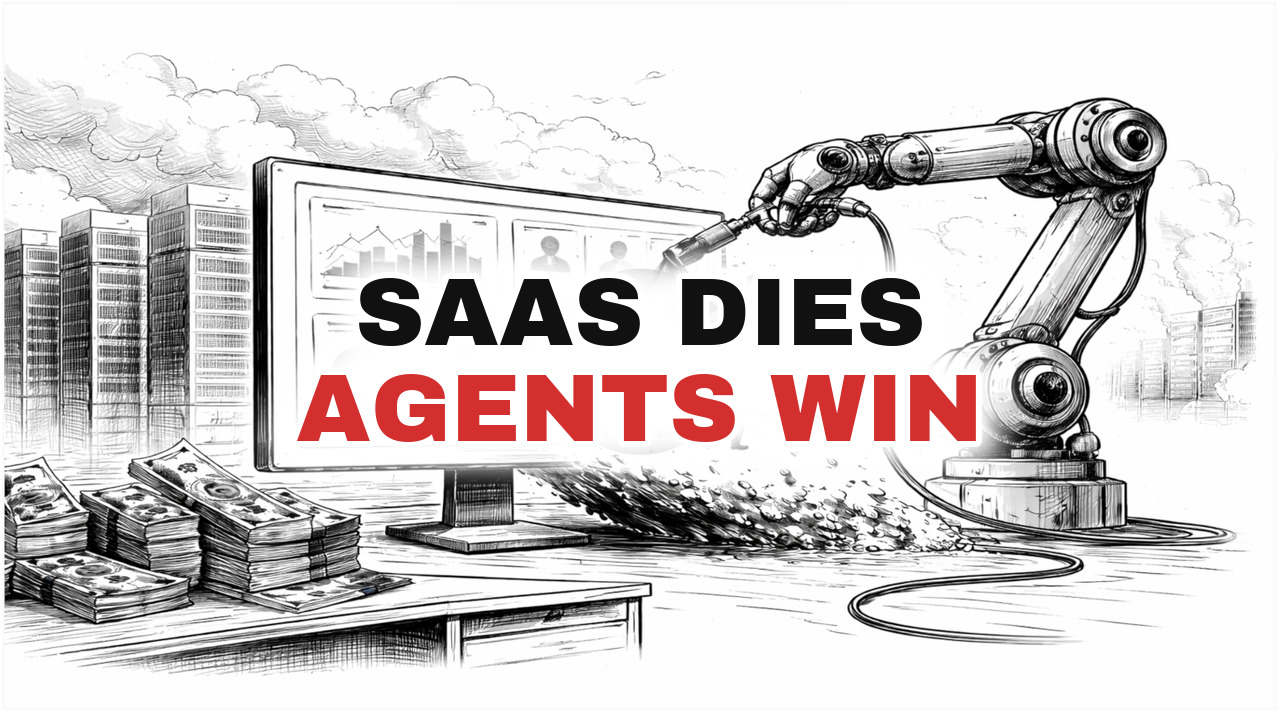
The comfortable reading of the software selloff calls it a healthy correction, nothing a patient holder cannot sit through. The letter reads the same tape as a terminal diagnosis for the way software has been sold for a generation. Charge every human a monthly fee for a login, watch the seats multiply, book the margin. That model assumes a human at the keyboard. An AI agent running the workflow needs no keyboard, no dashboard and no seat. It needs compute, and it draws that compute straight from the infrastructure layer, skipping the middleman who charged rent for the view.
That is what the repricing is about. The infinite-margin middleman is being cut out by the very layer that made his business possible, and the market has moved from debating the idea to pricing it. The reflex of buying every dip in whatever looks cheapest on last year's revenue amounts to buying the wrong side of history.
The Sick Man Posts a Pulse
Capital leaving Silicon Valley has to land somewhere, and the letter's candidate is the least fashionable destination on offer: German factories. Loan growth and manufacturing orders there have started showing life after years of gloom, which hardly makes Europe exciting. Less bad than feared turns out to be enough when the alternative is priced for perfection. The rotation runs from rent-seekers to makers, from subscription dashboards to things that come off an assembly line.
The plumbing helps. The Fed is growing its balance sheet again, roughly forty billion a month, under the label of reserve management, and whatever the label the effect resembles easing: repo runs smoothly, volatility gets sat on, conditions loosen without a rate cut. Japan pulls the other way: Takaichi's landslide points to heavy fiscal spending and rising Tokyo yields, waking the yen from its role as the world's sleepy funding currency. Gold and bitcoin have parted company, bullion hedging sovereign risk while crypto trades as a levered bet on risk appetite, and Beijing's Treasury sales read as liquidity housekeeping before Lunar New Year, nothing more dramatic.
Panic Priced Below IBM
Microsoft, holder of what the letter calls the world's best balance sheet and a direct line to the compute agents consume, has been thrown out with the rest of software. It now trades on a lower forward earnings multiple than IBM for the first time in a decade, after a drawdown around thirty percent. The letter accepts that the agentic threat to per-seat software is real, then asks whether the seller of the compute belongs in the same bin as the seller of the seat. The pendulum, in its phrase, has swung into absurdity.
The options angle is how panic shows up in the chain. Fear of this kind inflates implied volatility, and inflated volatility is raw material for whoever is prepared to write it. The letter's approach takes the other side of the scramble for protection, collecting what frightened holders pay, in exchange for exposure to Microsoft at multiples last seen in the zero-rate era. When volatility is expensive in a name you would be content to own, the chain pays you to wait instead of charging you to chase.
Jobs and Inflation Collide
None of this gets a clean read until the data has passed. The letter's calendar stacks the two prints that matter most, payrolls and inflation, inside forty-eight hours of each other, with retail sales opening the week and a parade of Fed speakers filling the gaps. The likely result is algorithmic whiplash, chart support yielding to headlines until the numbers settle. Beneath the index, single names keep moving violently while index premium stays historically cheap, which the letter reads as a rotation rather than a broad selloff, and its response is to trim gross exposure, hedge with the cheap premium and let regional banks and industrials collect the steeper curve. Microsoft is the one name it pulls out of the crowded software exit, on the argument that whoever sells the compute survives the death of the seat.
This page is the write-up. The full letter, with the trade and its exit rule, is on Substack.
- MSFT
Get the next Tuesday Target free
One options trade. Every Tuesday. Scored in public. The exit rule is on the card, and the letter is free to read.