Volatility (UVXY): The Tariff Dial and the Inverted Curve
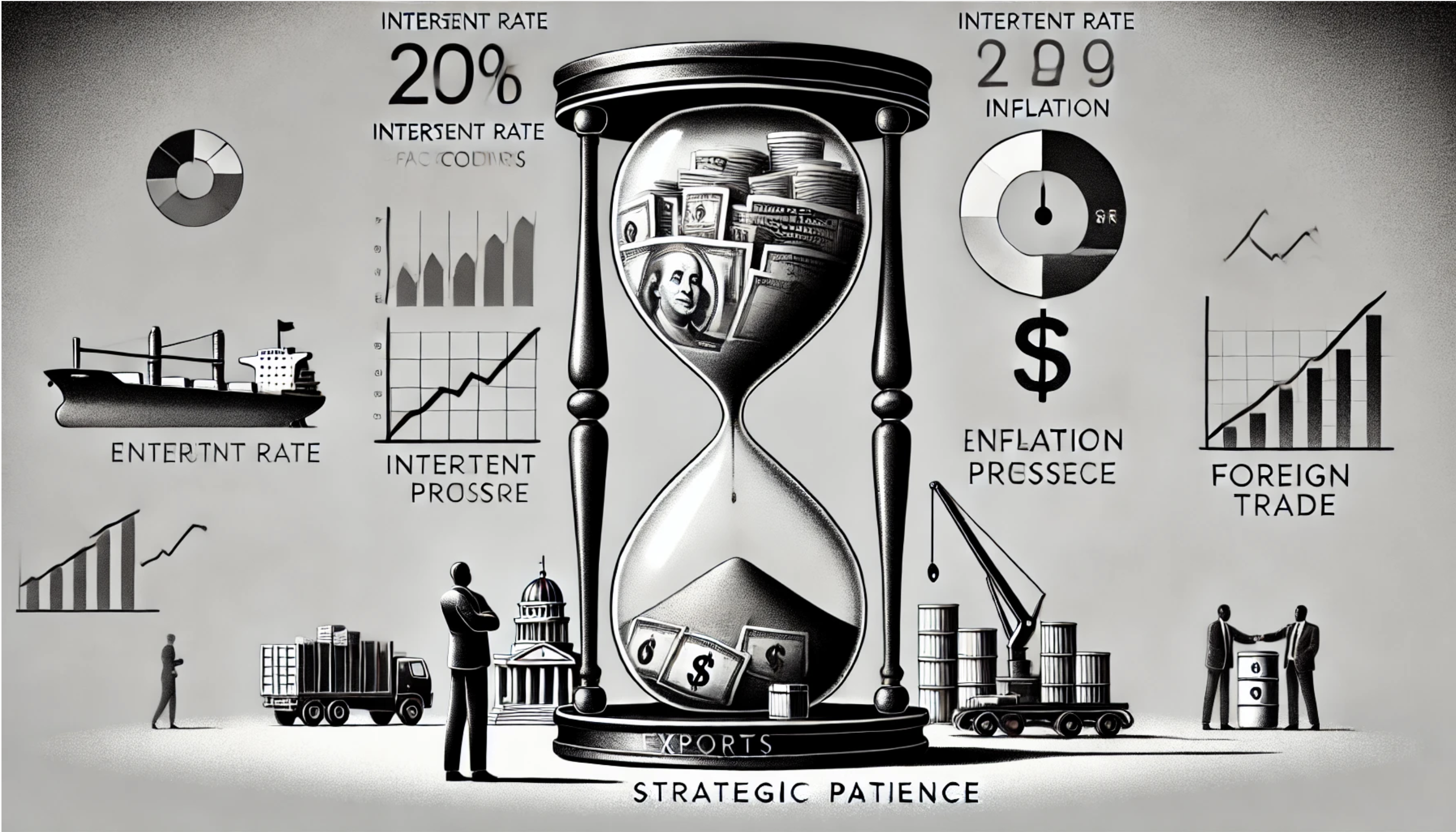
Why tariffs may be a deliberate brake on US growth, and how an inverted VIX futures curve turns UVXY's usual roll drag into a tailwind.
Tariffs as a Slow Dial
The common question about the tariff selloff has been why the White House stays on the sidelines while its own policy knocks the tape down. I think the sidelines are the point. Read the tariffs as a slow dial rather than a bargaining chip and the picture rearranges itself: cool the American economy on purpose, hand the Fed a reason to cut, let the dollar soften, and the export side of the ledger starts to look attractive abroad while imported goods carry a double burden of duty and currency. Whether that is a plan or a rationalisation stitched together afterwards matters less to me than whether the market keeps pricing it as an accident.
The letter calls this calculated disruption, and the phrase carries weight because it retires an assumption most portfolios were built on: that American exceptionalism came with a floor under equities. Quarterly earnings remain what most desks argue about. The bigger repricing is of the floor itself.
Europe Borrows, Beijing Spends
Two other stories in the letter feed the same volatility loop from opposite directions. Berlin's decision to set aside its debt brake and finance defence and infrastructure on borrowed money is the largest fiscal turn Germany has taken since the country reunified. Equities liked it briefly; the bond market then did the arithmetic on future issuance. Swap spreads turned negative, yields jumped, and the risk of an overshoot in borrowing costs now sits in the European scene. If Europe fails to keep those costs anchored, the fiscal party ends early and takes the euphoria with it.
China is running the opposite play. While Washington raises walls, the National People's Congress pledged quicker government outlays, looser money and a push toward domestic consumption, with infrastructure, AI and consumer technology named as targets. Export-heavy names take the tariff hit; a pivot to internal demand cushions part of it. Selective China exposure picks up a bullish tilt from this, worth holding in mind precisely when the American tape dominates every screen.
The Roll Becomes a Tailwind
The big desks are describing this as the opening stretch of a longer volatility cycle rather than a squall. Hedge funds are cutting gross exposure, dealers are short gamma and forced to chase moves, bond liquidity is thin, and same-day option expiries turn ordinary afternoons into whipsaws. Demand for VIX calls has been heavy. Each piece amplifies the others, which is why a risk plan built for placid markets has quietly become a liability.
For an options trader the interesting consequence lives in the VIX futures curve. UVXY normally bleeds because it keeps rolling from the nearer contract into a more expensive later one. When fear pushes the front contract above the back, that roll reverses and the product picks up a following wind instead of a headwind. That inversion is the condition under which the letter's sideways structure in UVXY makes sense: a range trade that rewards patience and steady nerves, forgiving of small errors as long as the curve behaves.
Curve Shape Over Headlines
What deserves attention over the coming weeks is less the headline count and more the shape of things underneath it. The obvious one is the relationship between the front and back VIX futures: as long as the near contract trades rich, the UVXY tailwind persists; the day the curve flips back into its normal upward slope, the drag returns and the case for a sideways play weakens. Next come German yields and swap spreads, because a disorderly overshoot in Bunds would drag global rates volatility along and keep the loop spinning. Then any sign the Fed is being pulled toward cuts by softer American data, since that is the mechanism the whole tariff-as-dial argument depends on.
Beijing's follow-through on its spending pledges rounds out the list. These are conditions rather than calendar dates, and conditions are what volatility products actually trade on. The strikes and management rules stay in the letter. The thought I want to leave here is simpler: the market spent years treating volatility spikes as brief and mean-reverting, and that habit has become the crowded trade.
What came of it
I closed this trade on 27 March 2025, after 27 days, at +63% on the capital at risk.
Get the next Tuesday Target free
One options trade. Every Tuesday. Scored in public. The exit rule is on the card, and the letter is free to read.